- Your cart is empty
- Continue Shopping
Uncategorized
Prednisone: Uses, Benefits, Side Effects, and Important Safety Information
-
By [email protected]
- Posted on
- 0 comments
Introduction
prednisone and side effects is a prescription corticosteroid medicine used to treat a wide range of inflammatory and immune-related conditions. It works by reducing inflammation and suppressing an overactive immune response, helping to relieve symptoms associated with many medical conditions.
This guide explains what prednisone is, how it works, its common medical uses, possible side effects, and important safety information to help you better understand this widely prescribed medication.
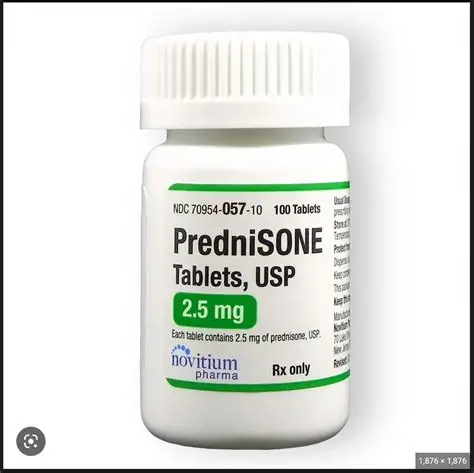
H2: What Is prednisone and side effects ?
Prednisone is a corticosteroid medicine that mimics the effects of cortisol, a hormone naturally produced by the adrenal glands. Healthcare professionals prescribe prednisone to help manage inflammation and immune system activity in various conditions.
Because prednisone affects many systems in the body, it should only be used under the guidance of a qualified healthcare professional.
H2: What Is Prednisone Used For?
prednisone and side effects may be prescribed for a variety of medical conditions, including:
- Allergic reactions
- Asthma and certain other respiratory conditions
- Rheumatoid arthritis
- Lupus
- Inflammatory bowel diseases such as Crohn’s disease and ulcerative colitis
- Certain skin conditions, including eczema and severe dermatitis
- Some kidney disorders
- Other inflammatory or autoimmune conditions, depending on clinical need
Your healthcare provider will determine whether prednisone is appropriate for your condition.
H2: How Does Prednisone Work?
prednisone and side effects works by reducing inflammation and modifying the body’s immune response. By decreasing the release of substances that cause inflammation, it can help relieve symptoms such a
- Swelling
- Redness
- Pains
- Stiffness
- Allergic reactions
The effects and duration of treatment vary depending on the medical condition being treated and the prescribed dose.
H2: Benefits of prednisone and side effects
When used appropriately, prednisone can help:
- Reduce inflammation throughout the body
- Improve mobility and comfort in inflammatory conditions
- Control symptoms of autoimmune diseases
- Help manage severe allergic reactions
- Improve quality of life for many patients when used as part of an appropriate treatment plan
The expected benefits should always be balanced against the potential risks, especially with long-term use.
H2: How to Take Prednisone Safely
Always take prednisone and side effects exactly as prescribed by your healthcare professional.
General guidance includes:
- Take the medicine at the same time each day if possible.
- Follow the prescribed dose carefully.
- Do not stop taking prednisone suddenly unless advised by your healthcare professional.
- If you miss a dose, follow the instructions in the patient information leaflet or seek advice from your healthcare provider.
Never change your dose without professional medical guidance.
H2: Possible Side Effects
Like all medicines, prednisone and side effects may cause side effects, although not everyone experiences them.
Some commonly reported side effects include:
- Increased appetite
- Difficulty sleeping
- Mood changes
- Indigestion
- Weight gain
- Fluid retention
Long-term use may increase the risk of additional complications. Your healthcare professional will monitor your treatment when prolonged therapy is required.
Seek urgent medical attention if you experience severe allergic reactions, chest pain, difficulty breathing, vision changes, or signs of infection.
H2: Important Precautions
Before taking prednisone, tell your healthcare professional if you:
- Have diabetes
- Have high blood pressure
- Have osteoporosis
- Have liver or kidney disease
- Have stomach ulcers
- Have recently been exposed to certain infections
- Are pregnant, planning pregnancy, or breastfeeding
Also tell your healthcare provider about any prescription medicines, over-the-counter medicines, vitamins, or herbal supplements you are taking.
H2: Storage Recommendations
To help maintain the quality of your medicine:
- Store according to the instructions on the packaging.
- Keep tablets in their original container.
- Protect from excessive moisture and heat if indicated.
- Keep out of the sight and reach of children.
- Do not use after the expiry date.
H2: Frequently Asked Questions
Is prednisone an antibiotic?
No. Prednisone is a corticosteroid medicine. It reduces inflammation and modifies immune system activity but does not treat bacterial infections like an antibiotic.
Can prednisone be stopped suddenly?
In many cases, especially after longer courses of treatment, prednisone should not be stopped abruptly. Your healthcare professional may recommend gradually reducing the dose to lower the risk of withdrawal symptoms.
Can prednisone interact with other medicines?
Yes. Prednisone may interact with a range of medicines. Always inform your doctor or pharmacist about all medicines and supplements you take.
How long will I need to take prednisone?
The duration of treatment depends on your medical condition and treatment plan. Some people require only a short course, while others may need longer-term therapy under careful medical supervision.
H2: When Should You Seek Medical Advice?
Contact a healthcare professional promptly if you:
- Experience severe or persistent side effects.
- Develop signs of infection such as fever or persistent sore throat.
- Notice swelling, severe stomach pain, or vision changes.
- Have concerns about your treatment or symptoms.
Conclusion
prednisone and side effects is an important prescription medicine used to manage a wide range of inflammatory and immune-related conditions. When taken as directed and monitored by a qualified healthcare professional, it can play a valuable role in treatment. Understanding its uses, benefits, precautions, and potential side effects can help you use this medicine safely and responsibly.
Disclaimer: This article is provided for educational purposes only and is not a substitute for professional medical advice, diagnosis, or treatment. Always follow the instructions provided by your doctor, pharmacist, or other qualified healthcare professional before starting, stopping, or changing any medication.
